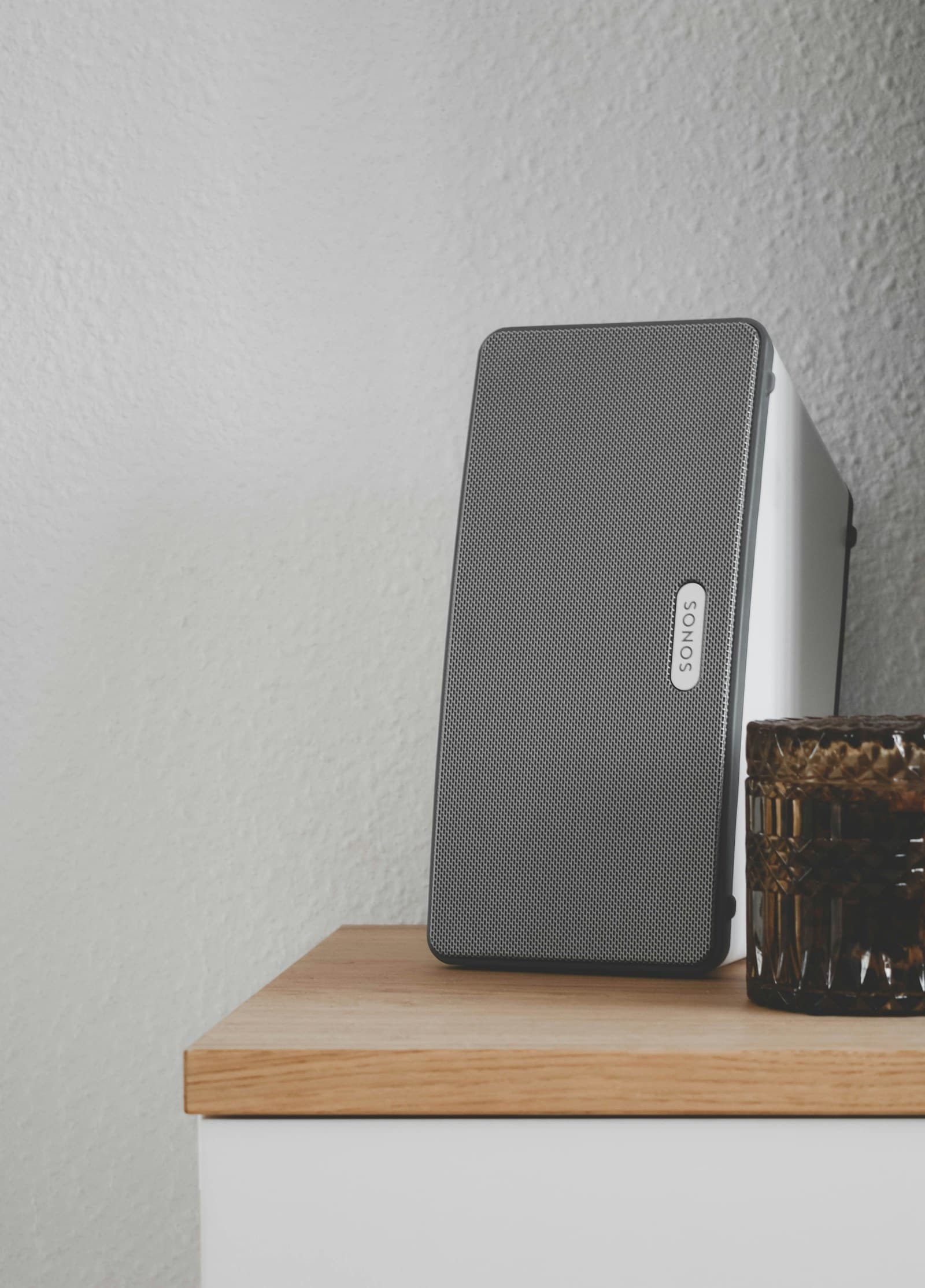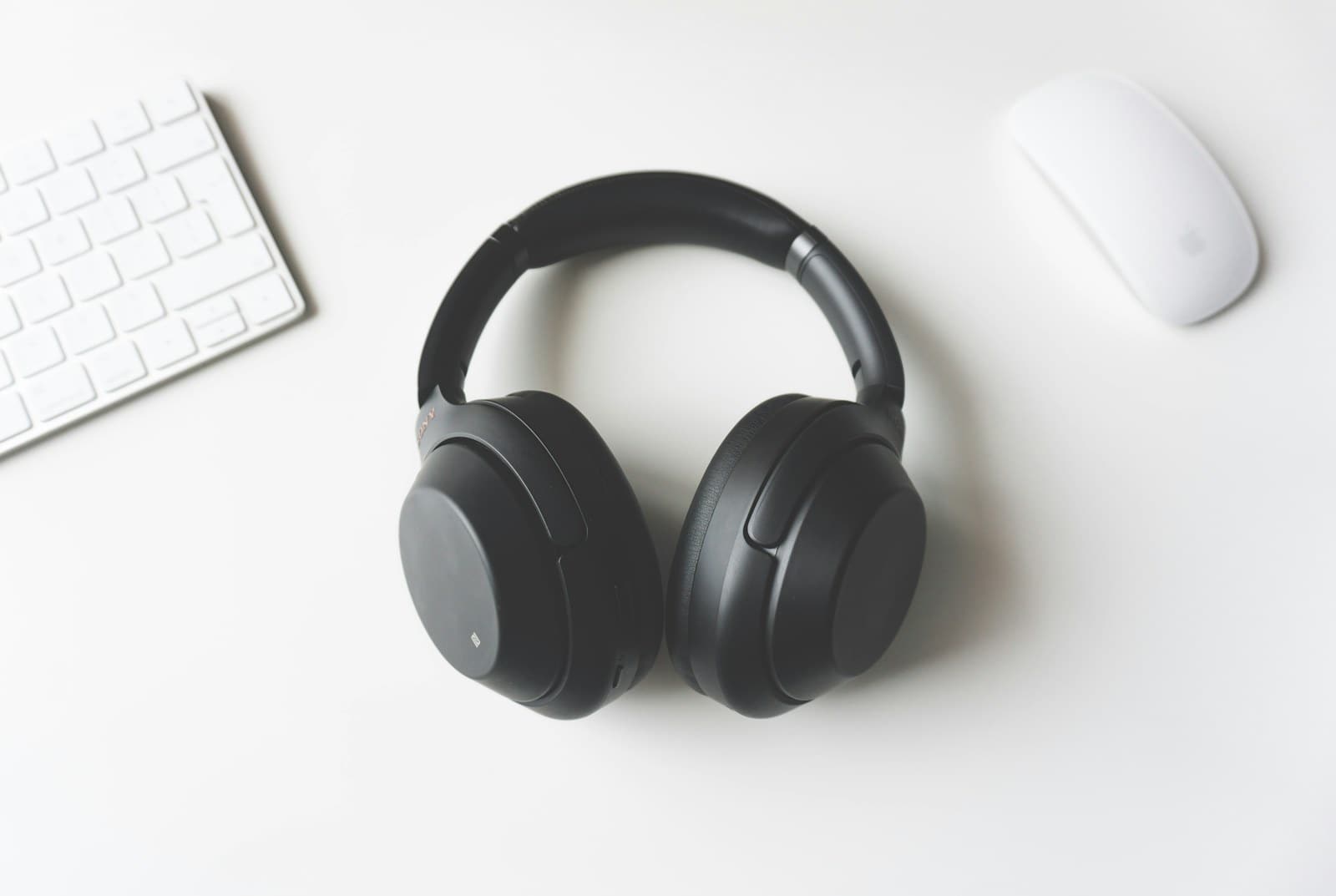
You leave home with a phone, keys, and a small shoulder bag. At lunch you take a call, after work you buy groceries, and later you watch a film on a laptop. That day favors earbuds. Change the routine to a long train ride followed by hours at a desk, and over-ear headphones become more appealing. The better category is the one whose compromises disappear into your normal day.
Earbuds earn their place through portability. Over-ear headphones earn theirs through a different fit and larger physical controls or surfaces. Neither format guarantees better comfort, call quality, or sound. This is a scenario-based comparison using official product information, not a report of laboratory or hands-on testing.
The quick decision
Buy earbuds if you repeatedly leave larger headphones at home, prefer a pocketable case, and can wear an in-ear fit comfortably. Buy over-ear headphones if you spend long uninterrupted periods listening, dislike objects in your ear canals, and have space for a case. Keep your current pair if it already handles those tasks and the only attraction is a new feature name.
| Situation | Format to investigate first | The compromise |
|---|---|---|
| Walking between appointments | Earbuds | Small pieces and a charging case to track |
| Seated listening at a desk | Over-ear headphones | More warmth and bulk |
| Sensitive ear canals | Over-ear headphones | Headband and pad pressure still need checking |
| Very small everyday bag | Earbuds | Fit and tip maintenance become important |
Earbuds: small enough to become a habit
The useful question is not whether earbuds are fashionable; it is whether they stay comfortable during the activities you actually do. A seal can change when you talk, chew, or move. Trying different included tips matters, and the two ears need not feel identical. Avoid pushing through discomfort just because the packaging promises an ergonomic shape.
Apple’s AirPods Pro page describes its current Pro model’s noise cancellation, Transparency, and iPhone-related setup features. It is a logical reference for someone who already uses an iPhone and values integration. Check the current model and requirements directly: availability and feature eligibility can depend on software, device, language, or region. Do not assume that every feature advertised for an iPhone works the same way with another platform.
Earbuds suit the person who wants to carry audio almost everywhere. They are less attractive if you routinely misplace small objects, cannot tolerate tips, or want a simple wired backup for older equipment. A tiny case is convenient until it is left charging on the kitchen counter.
Headphones: a different kind of comfort
Over-ear designs distribute contact around the ear instead of inside it. That can suit long reading sessions or focused work, but pads can become warm and glasses can change the fit. A soft cushion is not proof that the headband will feel right after an afternoon. Try the complete combination of glasses, hairstyle, and seating posture that you use daily.
Bose lists noise-cancelling listening modes and an audio cable with an in-line microphone for QuietComfort Headphones. That makes this model worth examining if you want over-ear listening plus a cable option. Check the actual cable connections and how wired use works; charging through USB-C should not be treated as a promise of USB audio.
This format suits a dedicated place in your work bag and longer listening blocks. Skip it if you dislike carrying a case, often wear a close-fitting hat, or mainly listen during exercise. Our commuting headphone guide develops the transport-specific questions.
Calls and connections can overturn the choice
If calls are the main job, look beyond the category. A microphone system that is adequate in a quiet room may struggle beside traffic. Product descriptions cannot establish how intelligible your voice will be in your own environment. Make a realistic stationary test call while you can still evaluate the purchase under the seller’s terms.
Device switching also deserves attention. Decide whether you need one phone, a phone plus work laptop, or a TV connection. Employer-managed computers may restrict Bluetooth or companion apps. Check that before buying a pair whose convenience depends on software you cannot install. For a desk used by several people, a simple pair of speakers may solve more problems; see small-room speakers.
Spend on fit, keep maintenance simple
Budget for replacement tips or pads when they are available, rather than a collection of speculative accessories. Follow the manufacturer’s cleaning guidance and keep charging contacts dry. Check each component separately: earbud water resistance does not automatically apply to its case, and neither format should be assumed suitable for showering or swimming.
Avoid buying both categories immediately. Use one for a normal week, record the moments it fails, and only add another if those failures recur. The second purchase should have a defined job, such as a desk-only pair that never needs to fit into a jacket pocket.
Frequently asked questions
Which format sounds better?
There is no dependable category-wide answer. Fit, the product’s tuning, your listening preferences, and the source matter. Compare specific products and resist treating size as a quality measurement.
Can awareness modes replace removing headphones?
No. Pause and remove them when attention is required. Electronic transparency is a useful feature, but it is not a safety guarantee around roads, stations, or machinery.
Should Android users automatically avoid AirPods?
Check what works with your exact phone and what does not. If important advertised functions require Apple equipment you do not own, compare alternatives with more suitable platform support before paying.
Compare the actual purchase
Explore AirPods Pro at Apple and explore QuietComfort Headphones at Bose. Confirm model, included accessories, fit-related return conditions, and current availability. The most valuable specification is the one that solves an ordinary inconvenience you encounter repeatedly.